
AI, 3D Renderings, and the Reality of Custom Design
How Technology Supports Great Design and Why It Can’t Replace It
Artificial intelligence is everywhere right now. From ChatGPT to image-generation tools, homeowners have more access than ever to technology that can spark ideas, visualize spaces, and inspire change. Naturally, that raises an important question we’ve started to hear more often:
“If AI can generate designs and images, why does professional design still matter?”
It’s a fair question, and one worth answering thoughtfully.
At Ventures, we embrace technology. We believe AI is an incredible brainstorming and inspiration tool for homeowners exploring updates to their interior or exterior spaces. But there’s an important distinction to make: AI-generated images are not design plans, and they are not what our designers use to create buildable, permit-ready projects.
AI can help imagine what a space might look like, but it doesn’t walk a sloped property after a rainstorm. It doesn’t sit through zoning reviews or interpret local setback requirements. It doesn’t deepen pool steps after experiencing firsthand how luxurious wide, shallow entry steps feel while easing into a pool on vacation. That work happens in the real world, and it’s done by designers who understand how spaces are built, experienced, and lived in. Let’s break it down.






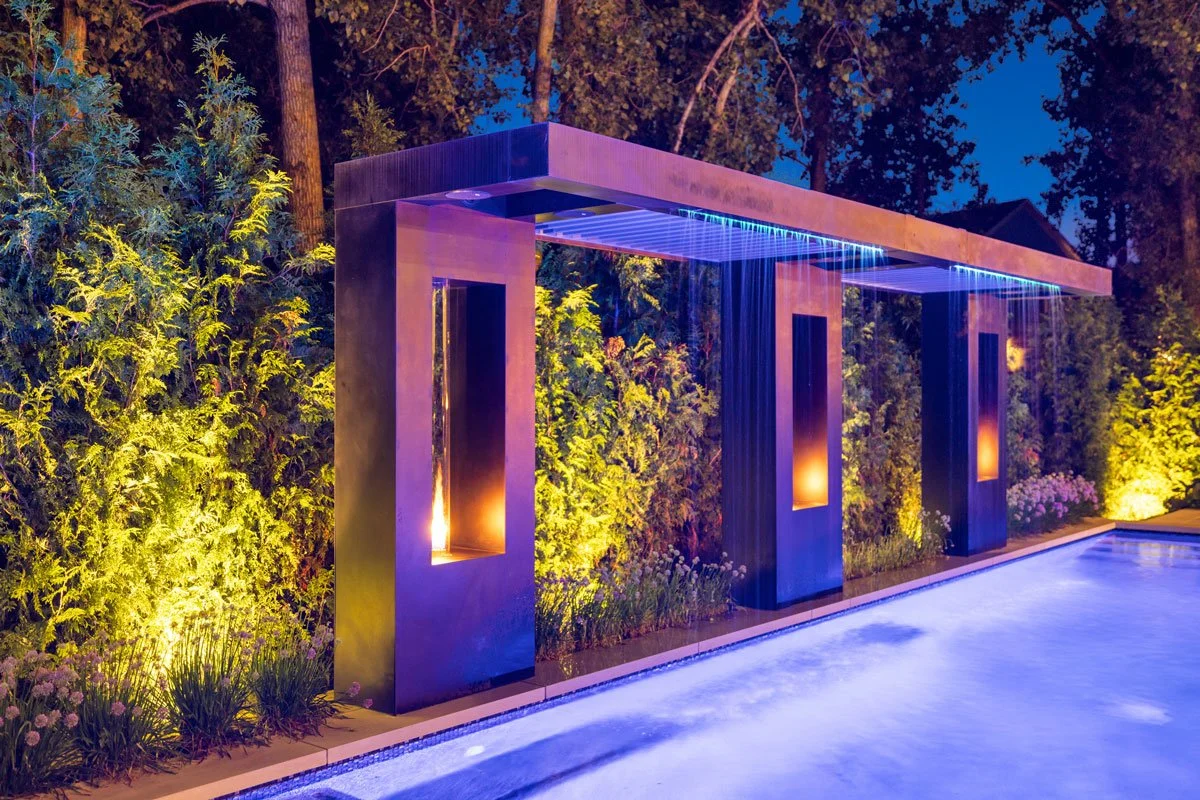


Where AI Excels: Inspiration, Ideation, and Visualization
There’s no denying the power of AI when it comes to early-stage thinking. Tools like ChatGPT and image-generation platforms are fantastic for:
Exploring styles you’re drawn to
Testing color palettes and material combinations
Visualizing mood, atmosphere, and aesthetic direction
Helping articulate ideas you may not yet have words for
For homeowners who are unsure where to start, AI can be a helpful way to answer questions like:
Do I prefer modern or traditional?
What might a spa-inspired bathroom feel like?
How could my backyard feel more resort-like?
We actually encourage clients to use these tools during the inspiration phase. The clearer your vision, the better the collaboration becomes.
But inspiration is only the beginning.
Where AI Falls Short: The Realities of Building
What AI-generated images don’t include is everything that makes a project possible.
AI does not account for:
Precise measurements and scale
Property lines and setbacks
Site grading and drainage
Soil conditions and elevation changes
Existing structures and utilities
Local zoning ordinances and building codes
Permitting requirements and inspections
Structural engineering realities
Material tolerances and construction sequencing
In other words, AI can show you a beautiful image, but it cannot tell you whether that image can legally, safely, or realistically exist on your property.
That gap is where professional design becomes essential.
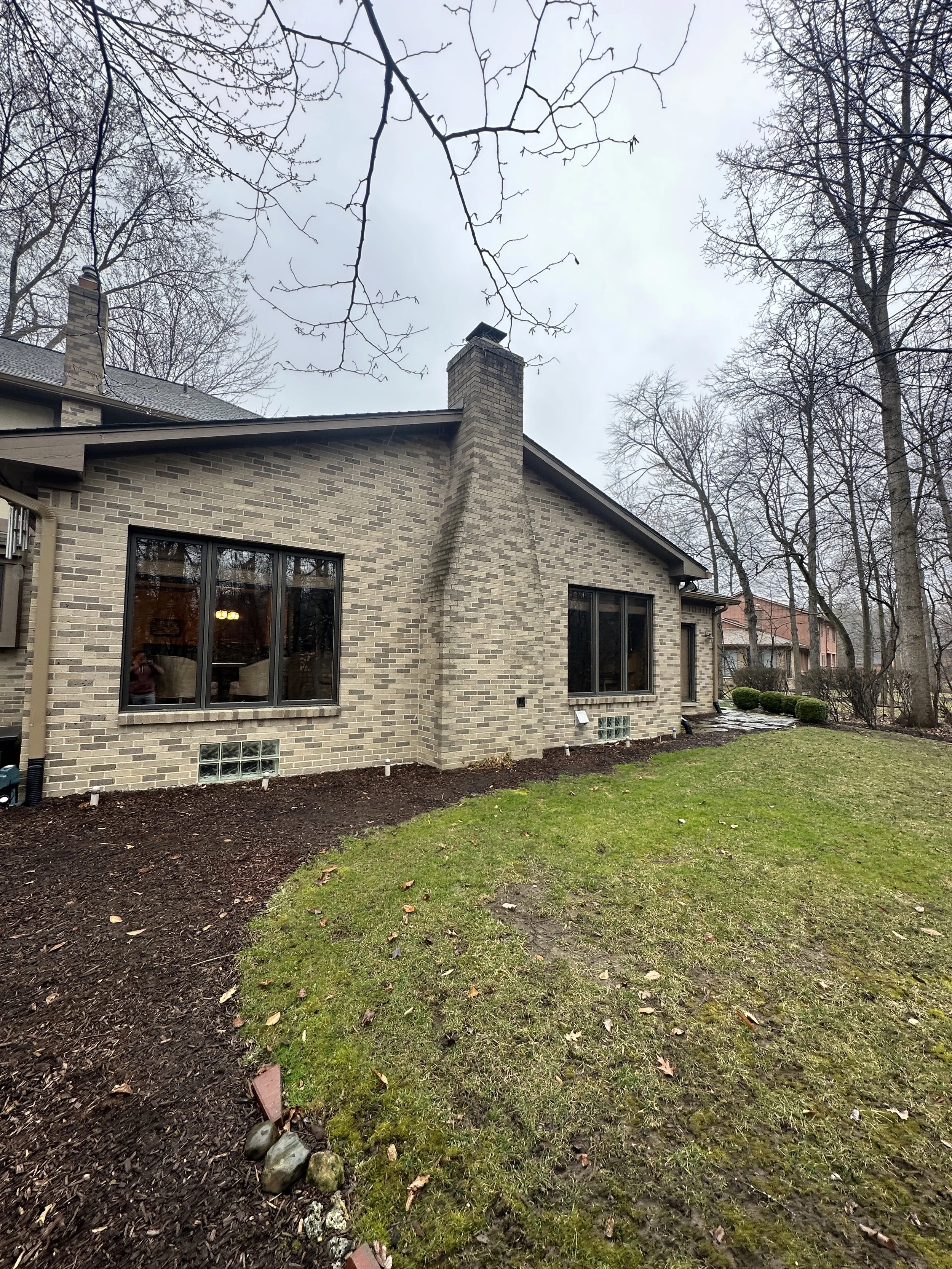
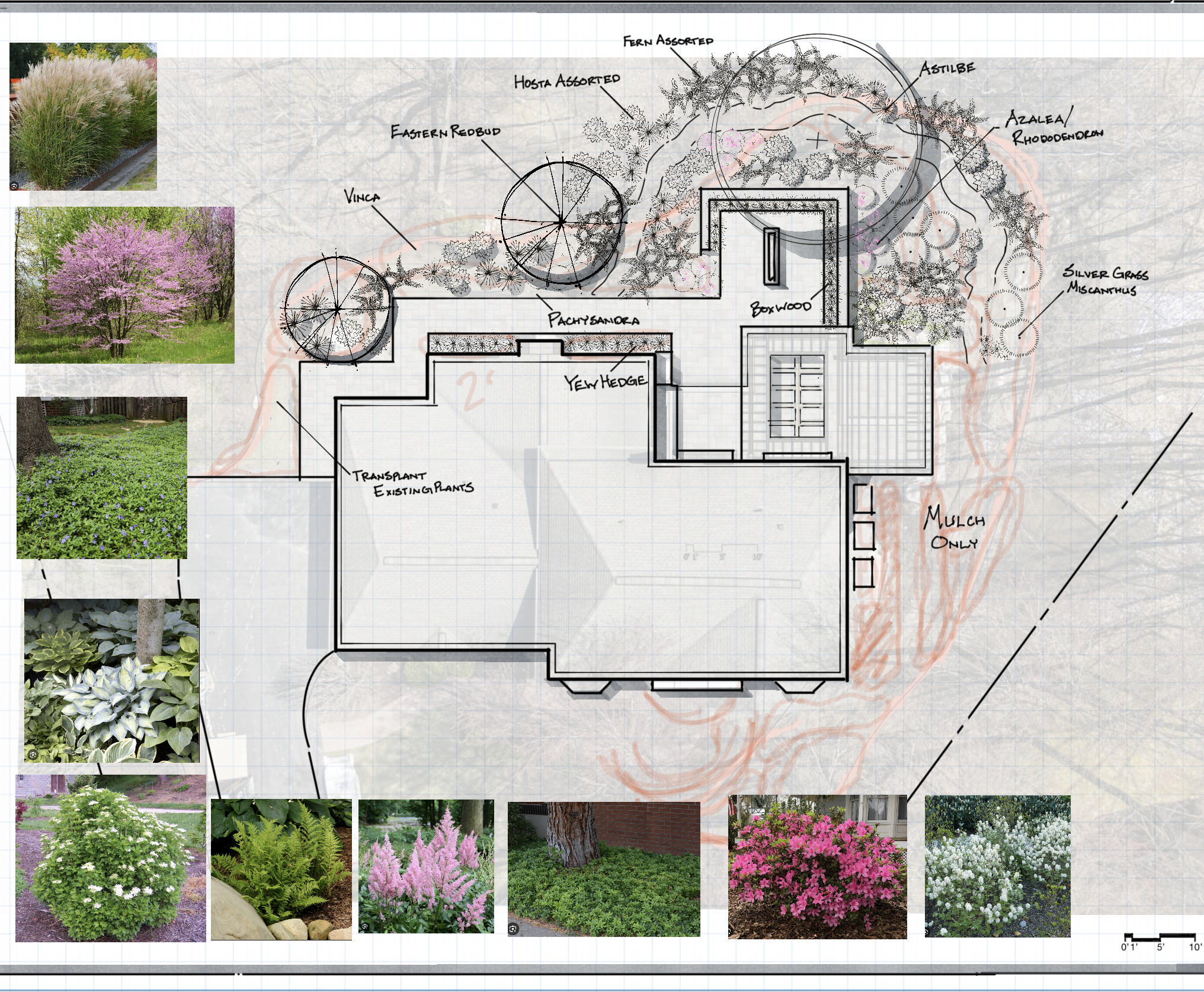
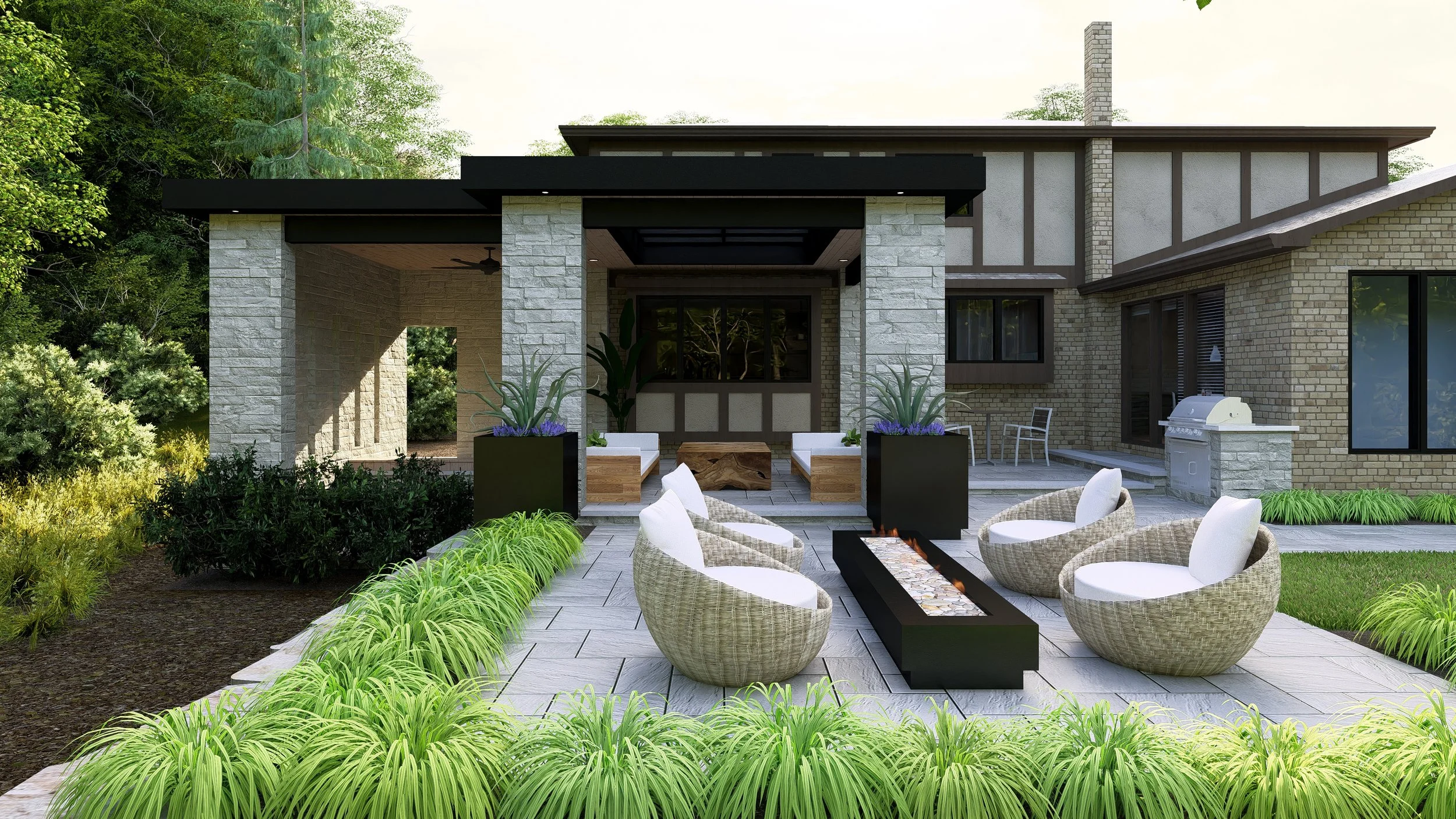
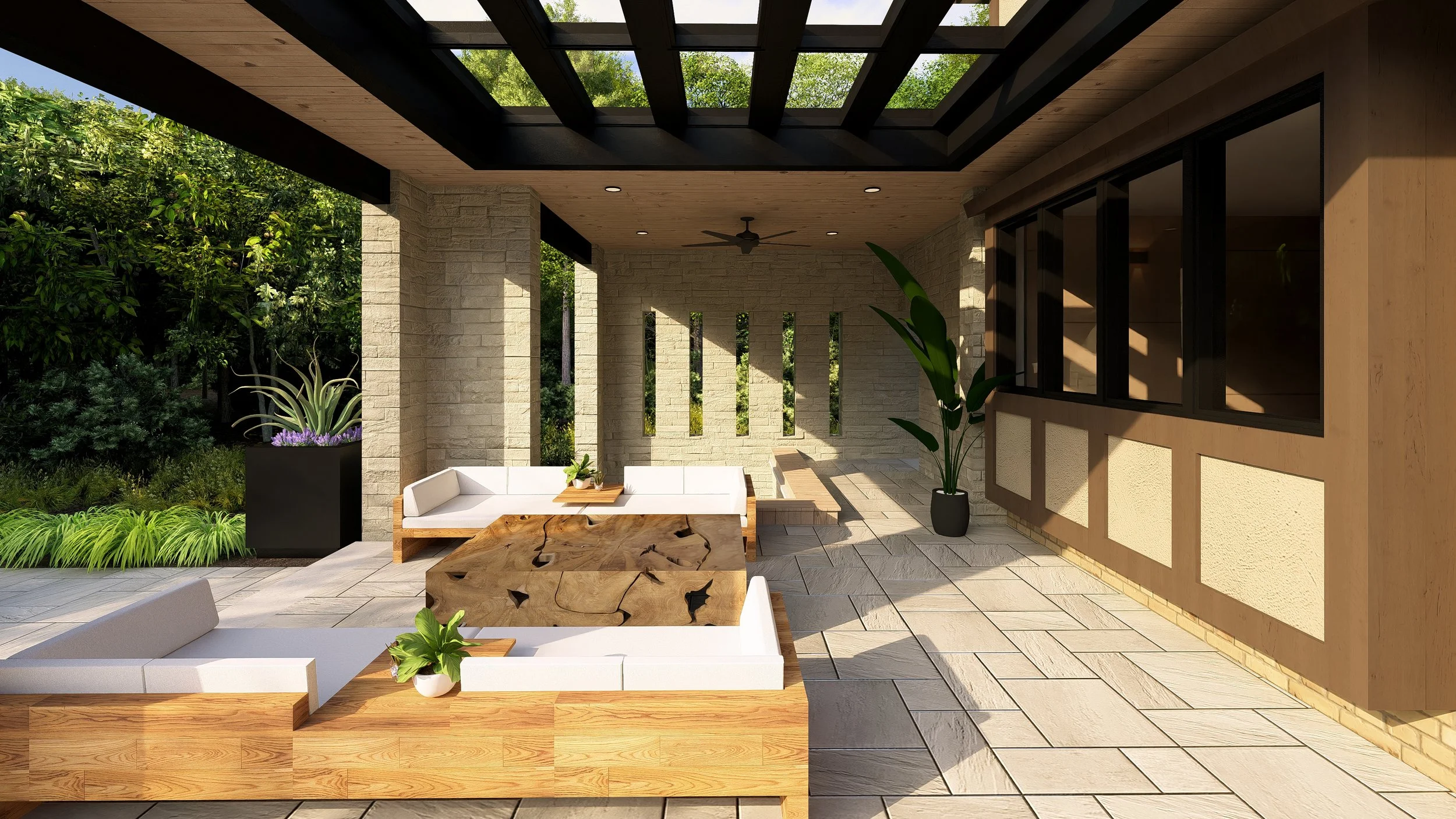
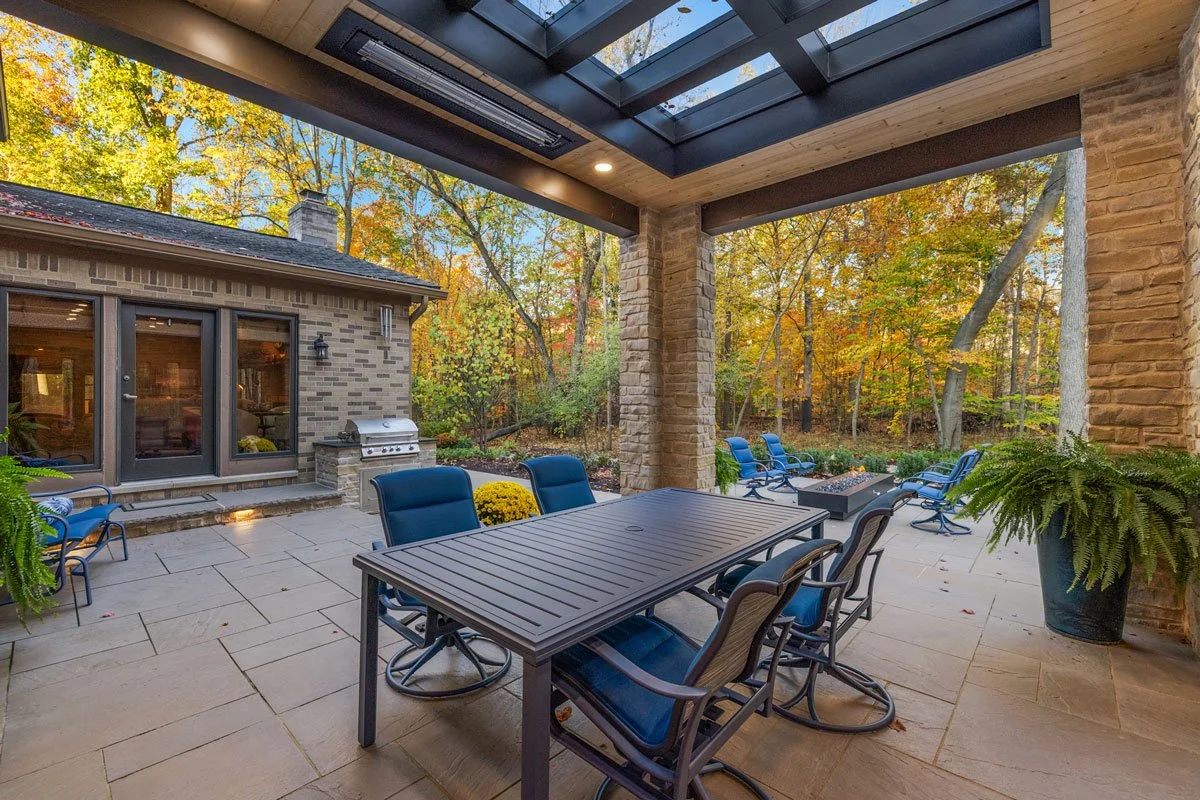
What Our Designers Do (And Why It Matters)
Every Ventures design begins with real-world constraints, and transforms them into opportunities.
Our in-house designers all hold degrees and years of experience in landscape design. Their training extends far beyond aesthetics and includes:
Site planning and spatial flow
Horticulture and plant science
Drainage and grading strategies
Structural coordination
Code compliance across Southeast Michigan municipalities
Long-term functionality and maintenance considerations
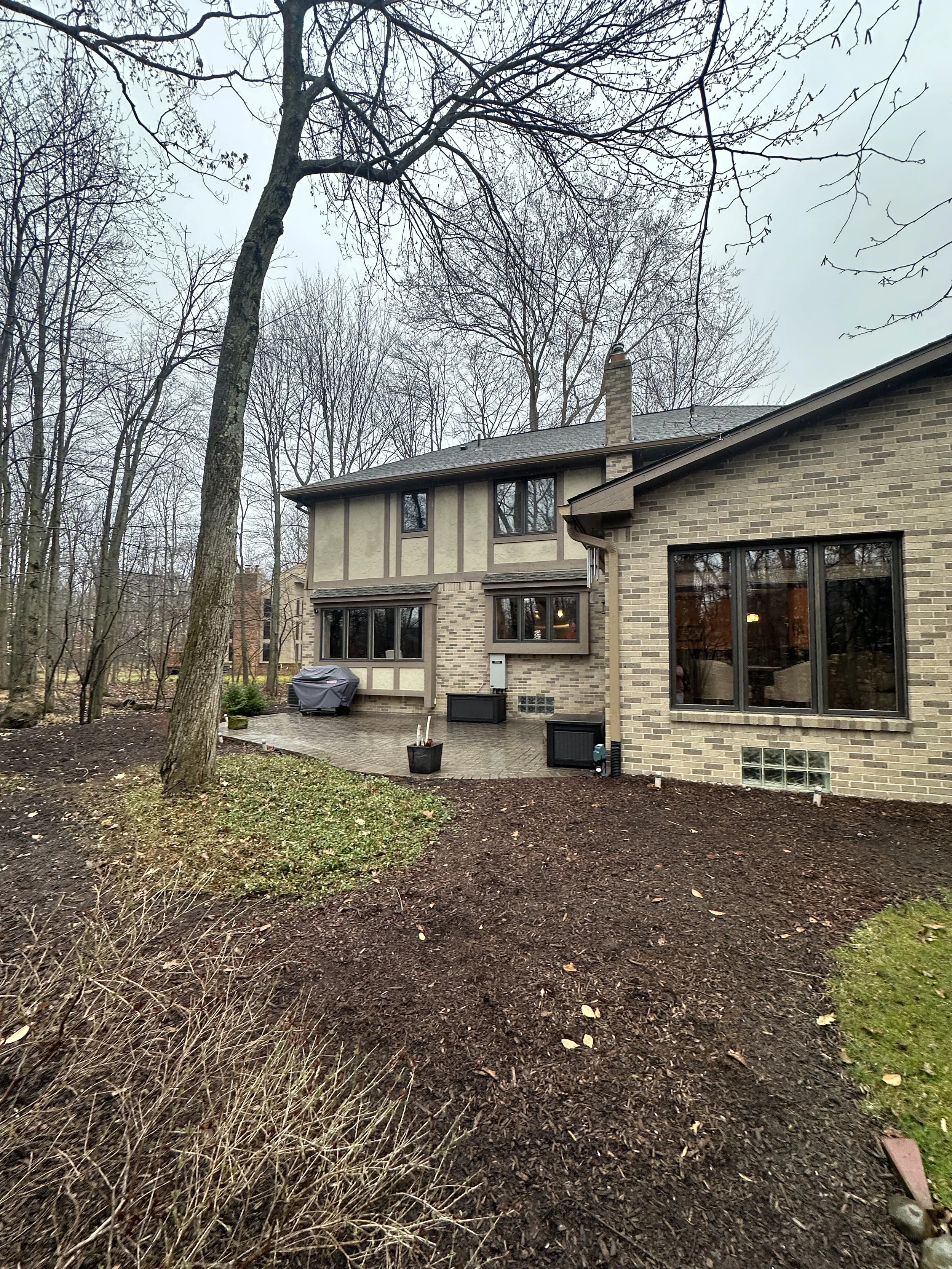
They analyze every property individually, paying attention to details most people never think about, but feel immediately when they’re done right.
Things like:
Walkway widths that feel effortless, not cramped
Sun orientation that maximizes pool warmth and tanning areas
Strategic shading over dining and outdoor kitchens
Sightlines that preserve privacy and enhance views
Plant selections that thrive in Michigan’s climate
Layouts that feel intuitive for how families actually live
This is the difference between a space that looks good and one that works beautifully. At Ventures, we design spaces that are as visually stunning as they are intuitive to use, so our clients can enjoy their homes and properties effortlessly, every day.
Design vs. Technical Plans: An Important Distinction
It’s also worth clarifying what we mean by design.
At Ventures, the design phase produces a real-world, buildable vision for your space. It defines layout, scale, materials, flow, and intent, all grounded in accurate site measurements, code awareness, and construction realities. This is the creative and strategic foundation of the project, the part that ensures the space is beautiful, functional, and thoughtfully planned.
However, design is not the same as technical construction documentation.
Detailed architectural drawings and technical plans, including electrical, plumbing, gas, and structural engineering, are created as part of the construction process, not the design phase. These documents are developed once a project moves forward under a build contract and are specific to how the project will be executed in the field.
This distinction matters because design establishes what is being built and how it should feel, while technical plans address how it will be constructed safely and compliantly. If a client were to take a design elsewhere for construction, the builder completing the work would be responsible for producing their own technical documentation.
By separating these phases, we’re able to focus the design process on creativity, problem-solving, and experience, then deliver the technical precision required for construction at the appropriate stage. This separation is intentional. It allows clients to own their design, explore options, and move forward on a timeline that works for them, whether that means building right away or revisiting the project down the road.
How Ventures Uses Technology the Right Way
While our designers do not use AI to generate designs, we absolutely leverage advanced software to bring their work to life with clarity and precision.
Our process includes:
Conceptual planning grounded in site analysis
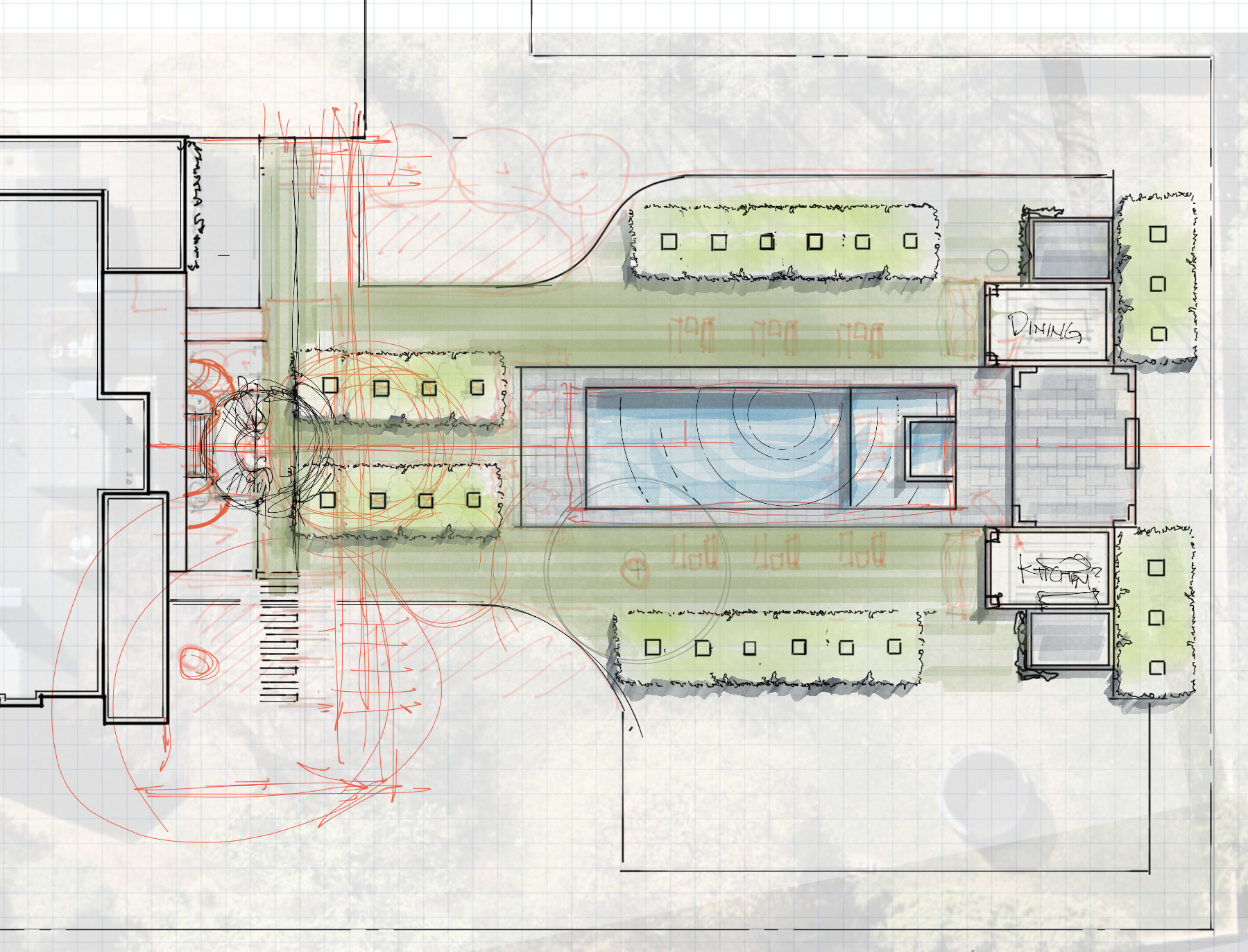
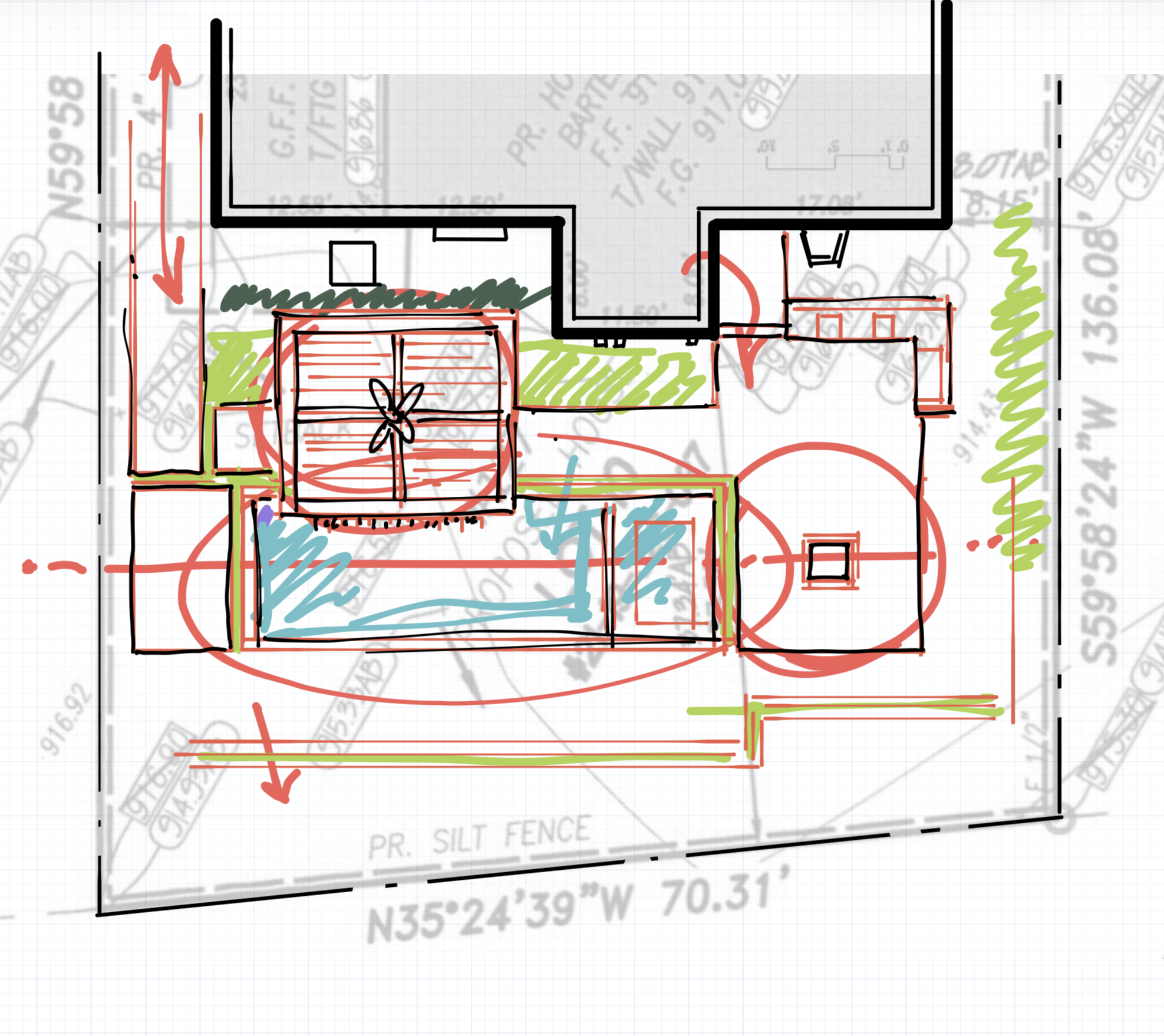
2D design documentation using professional design software
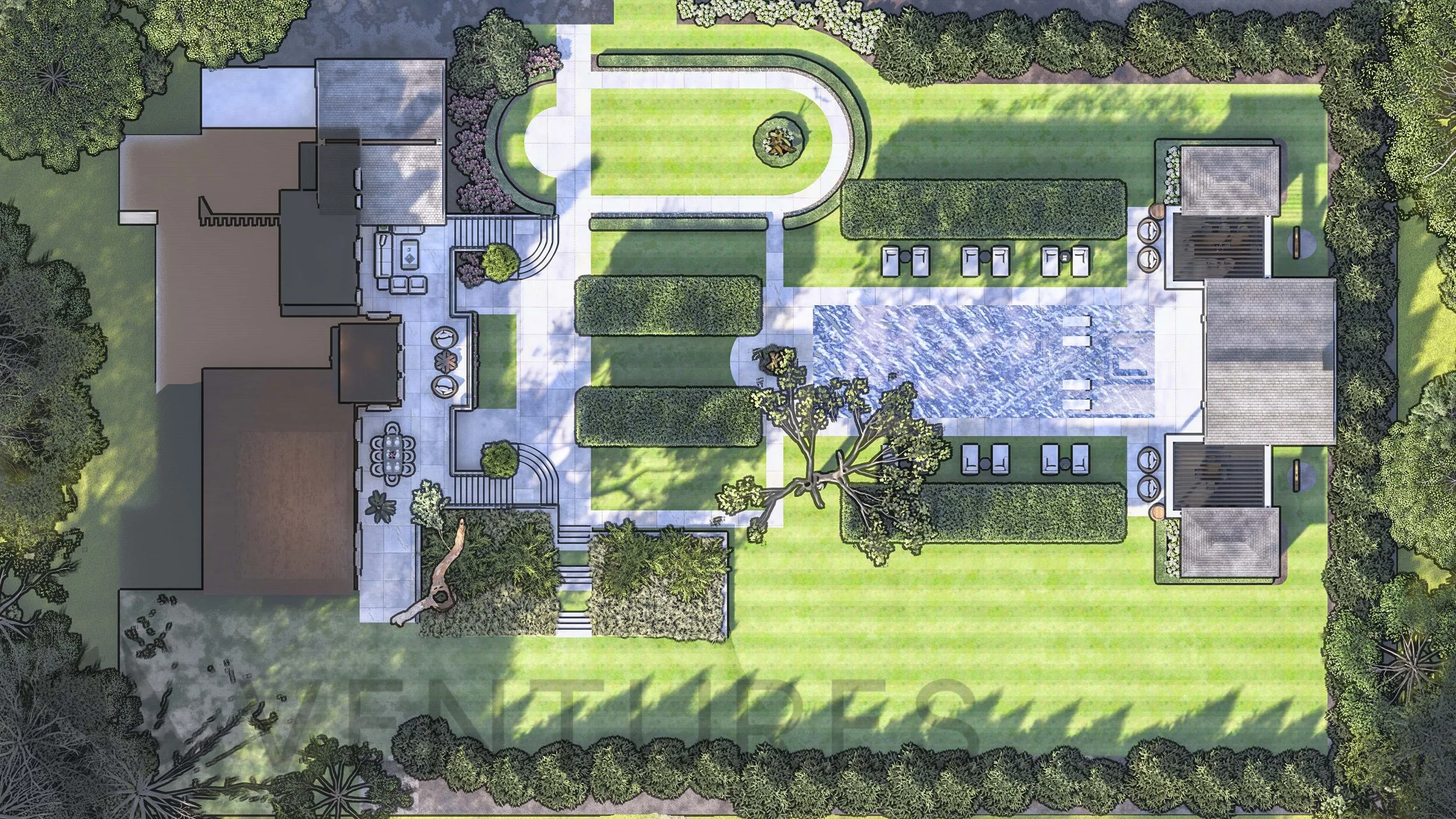
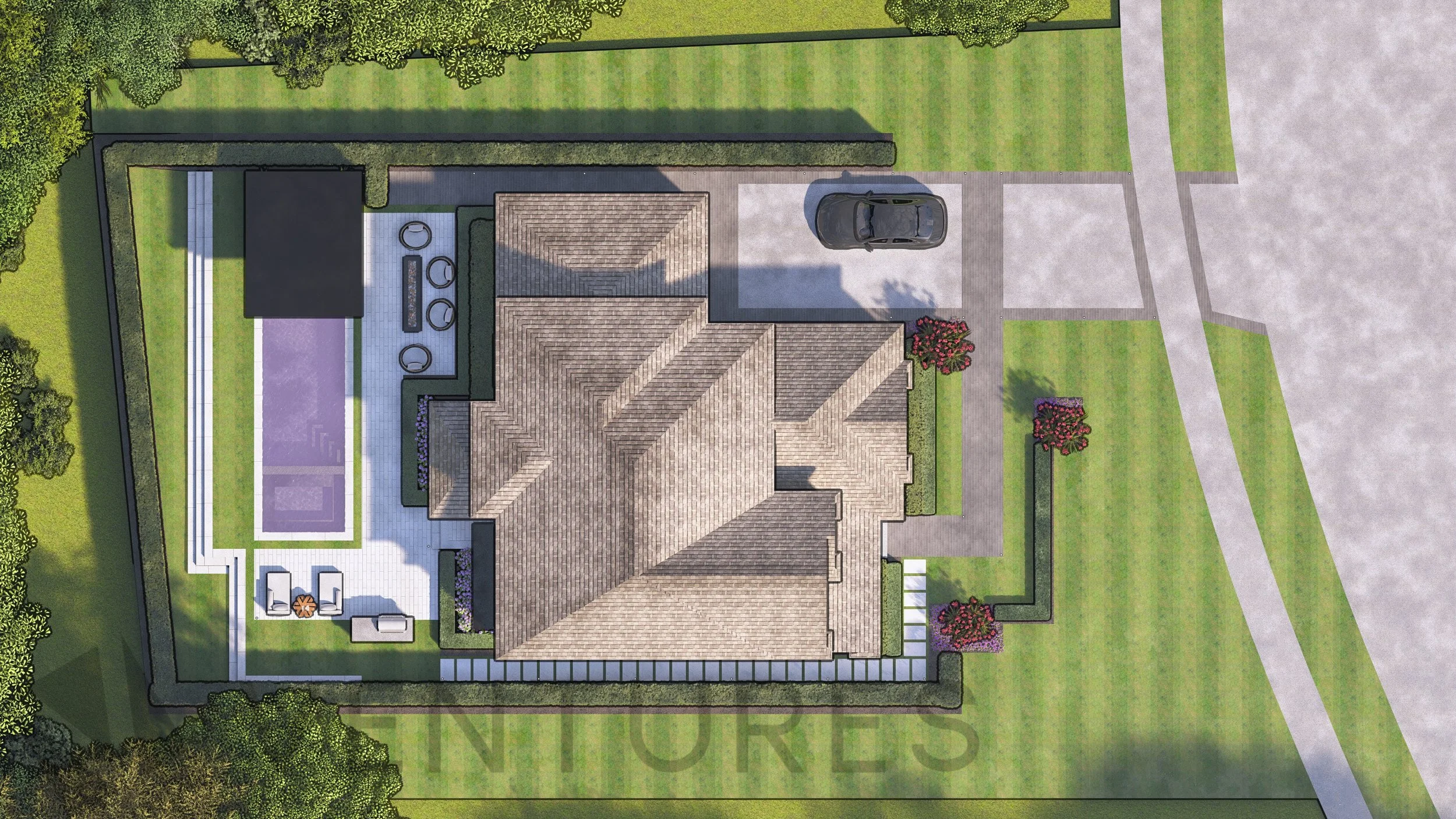
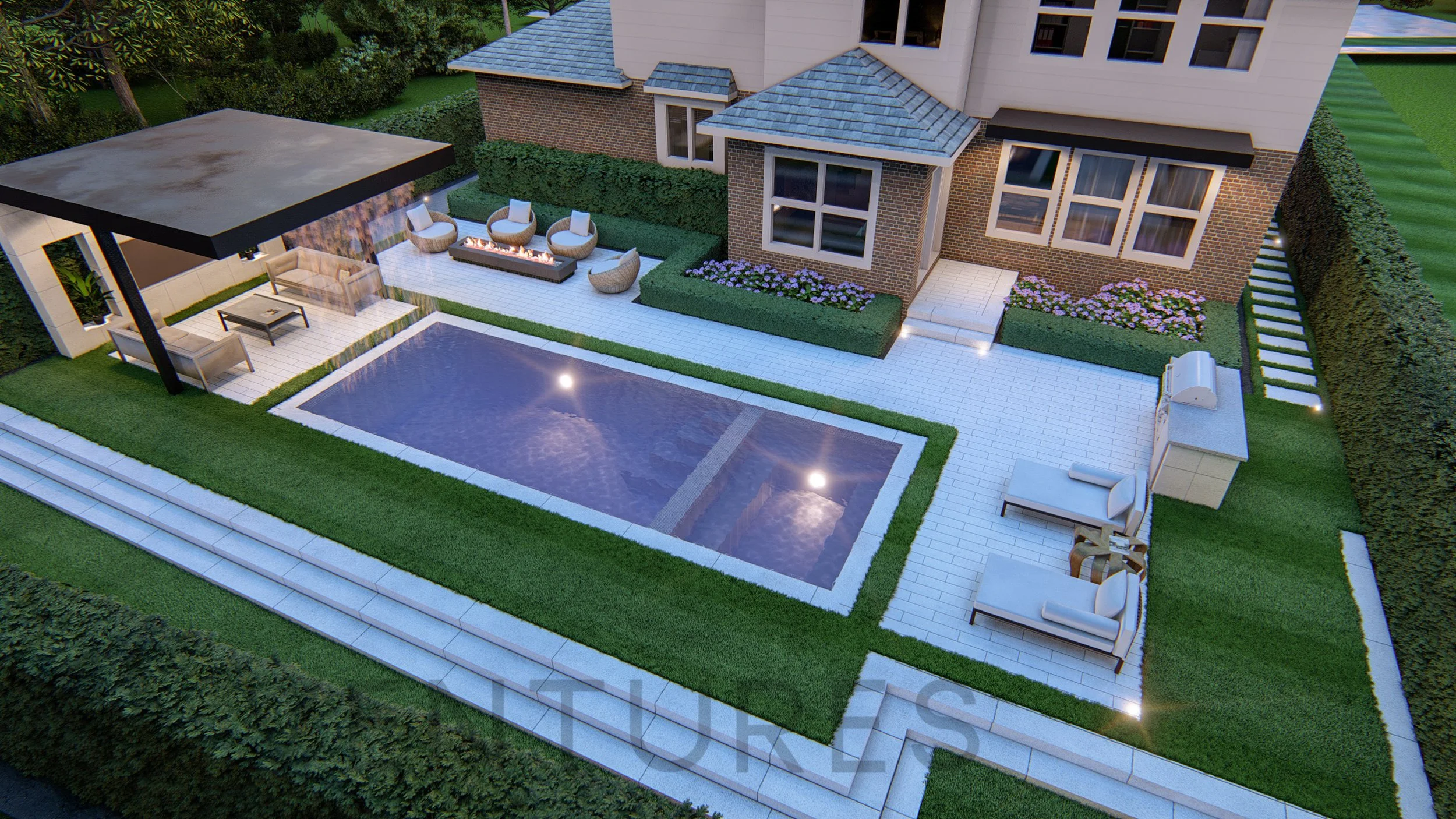
3D modeling built directly from those accurate plans
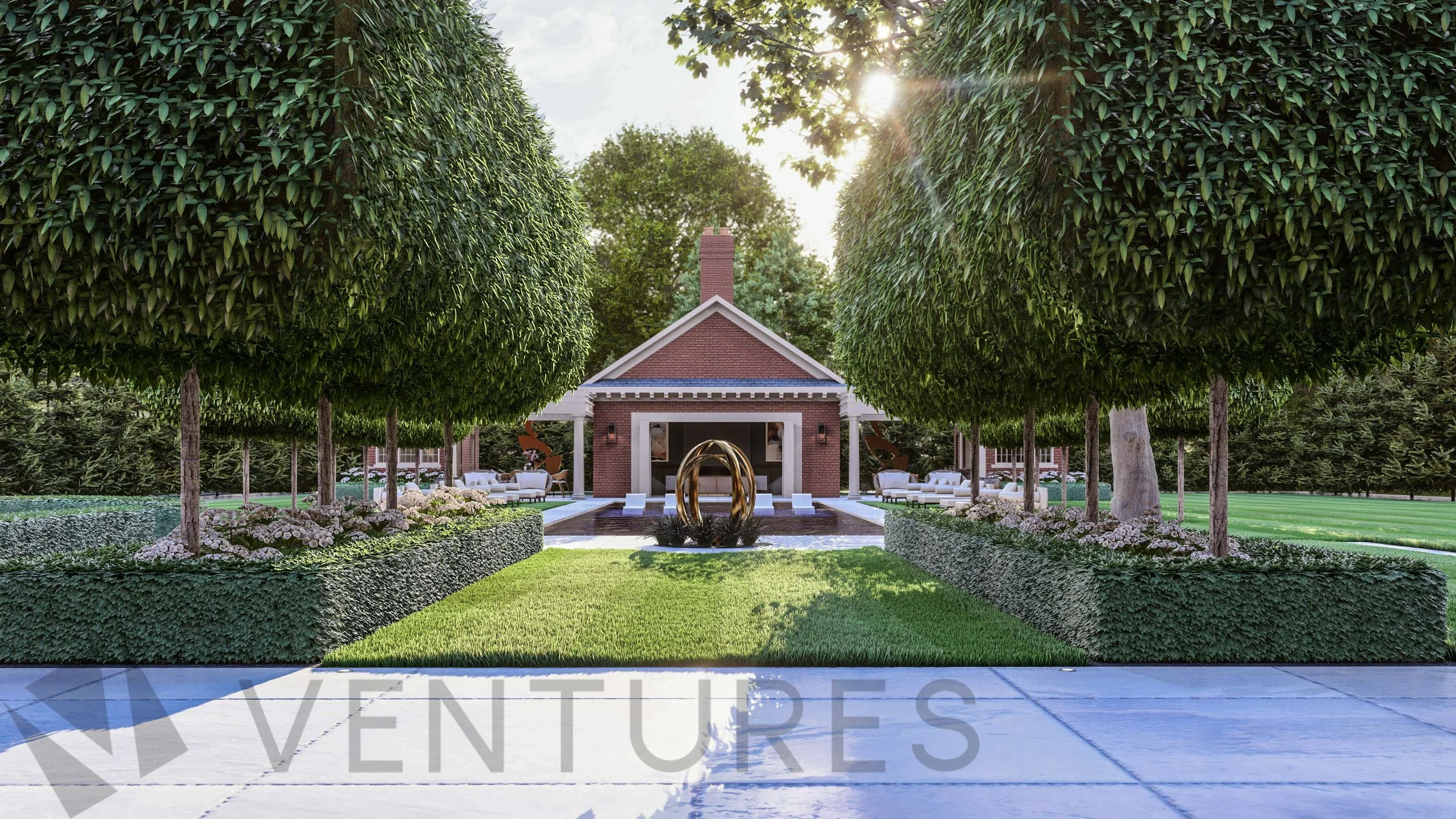
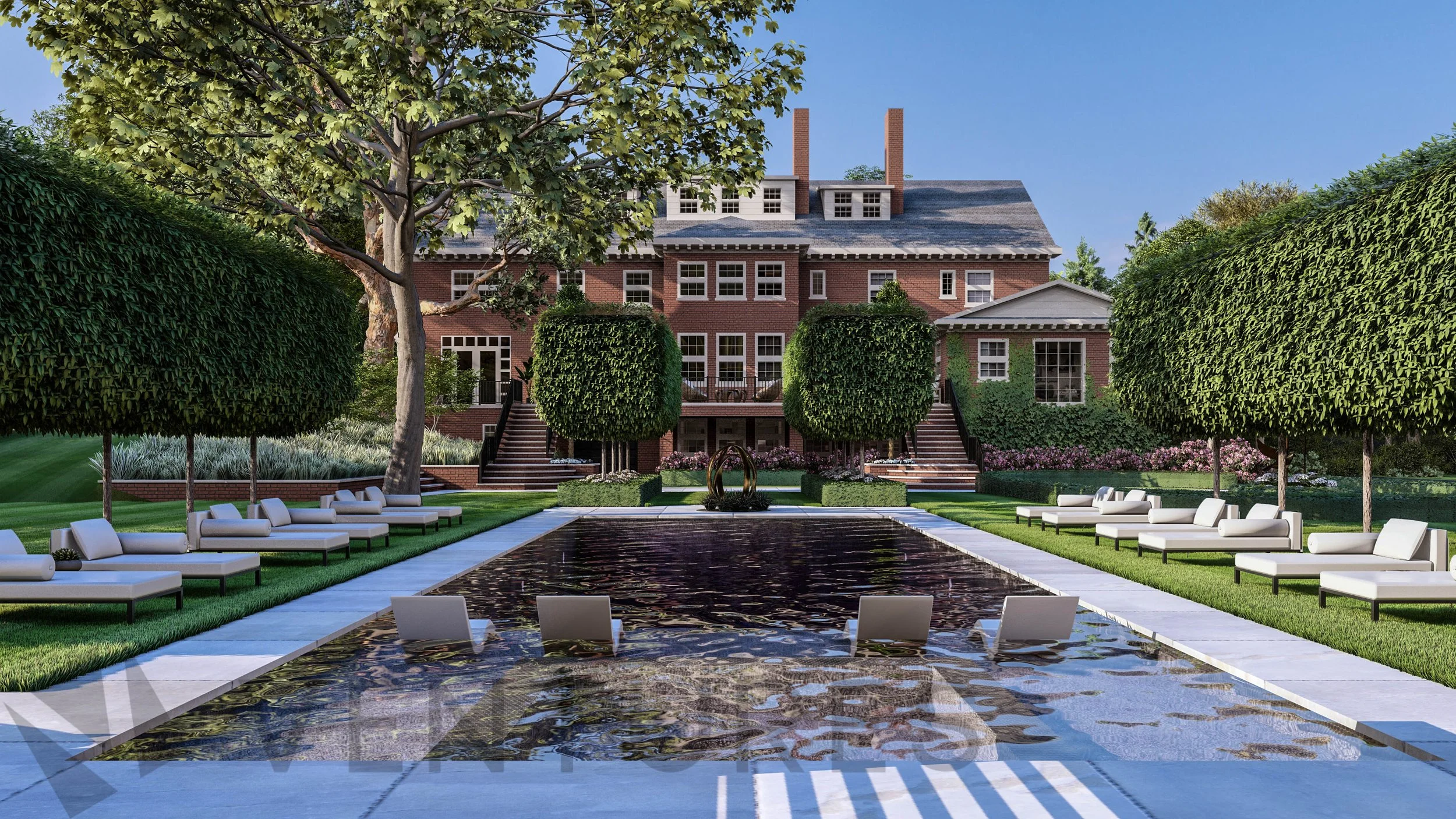
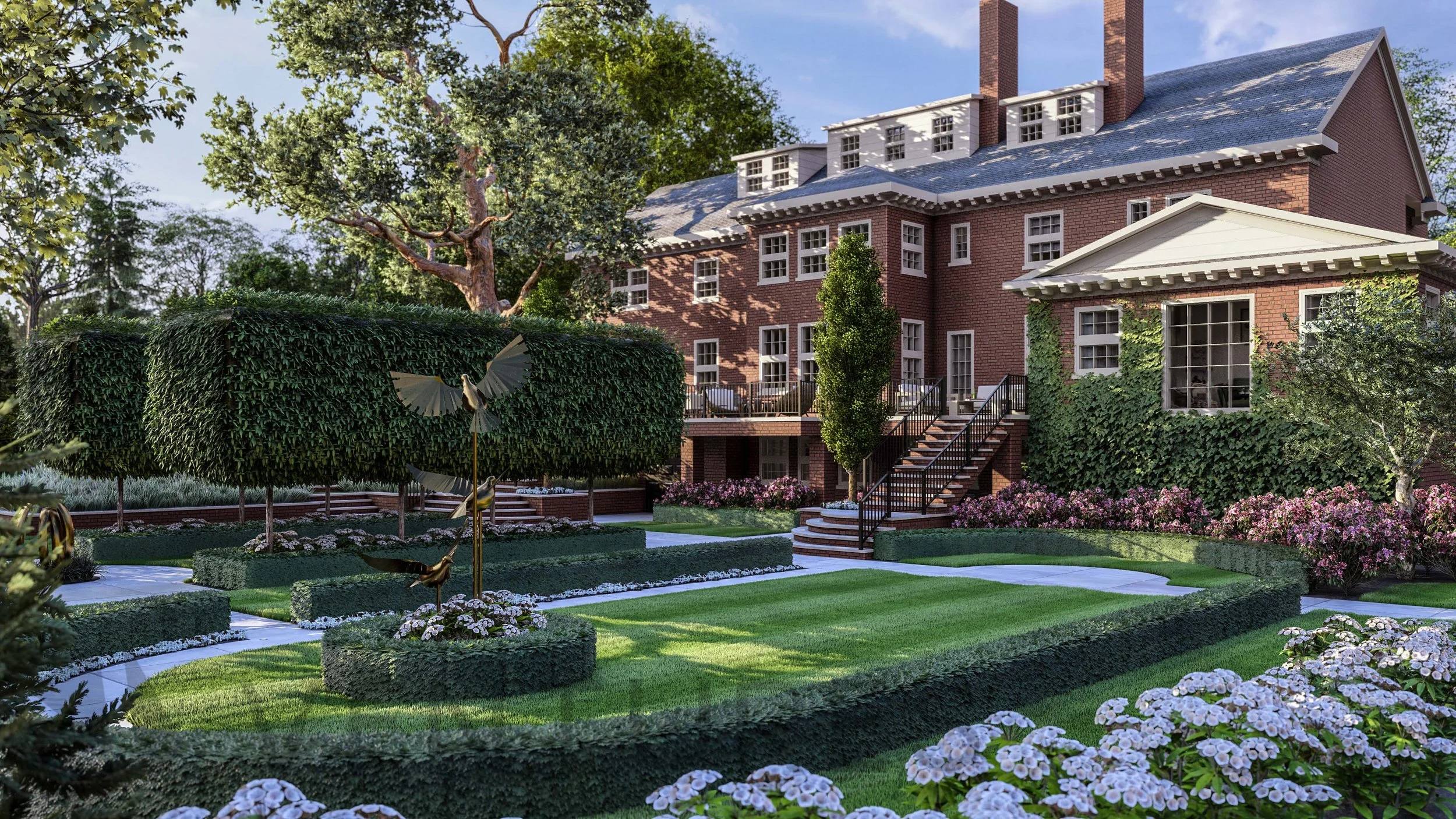
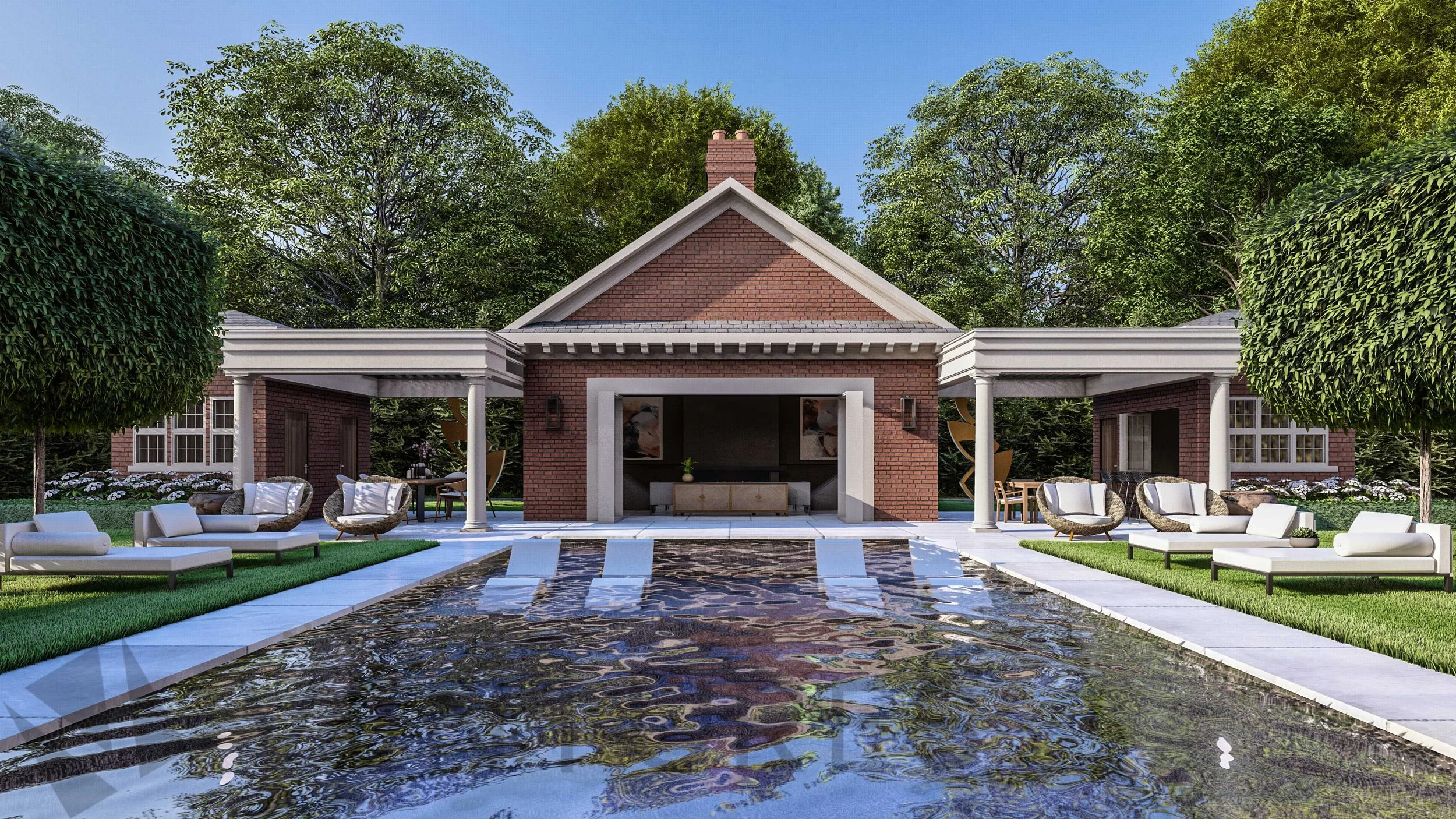
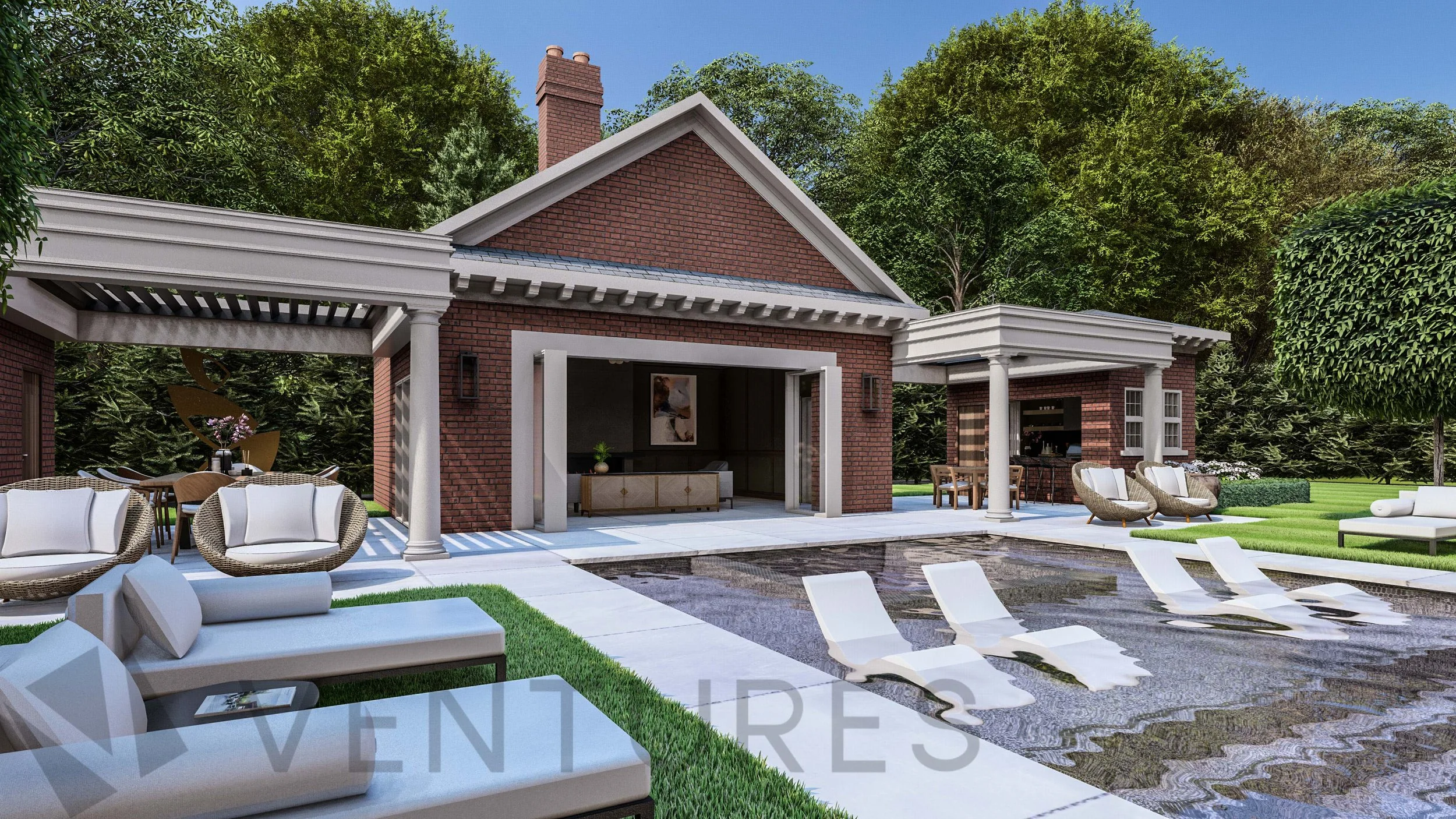
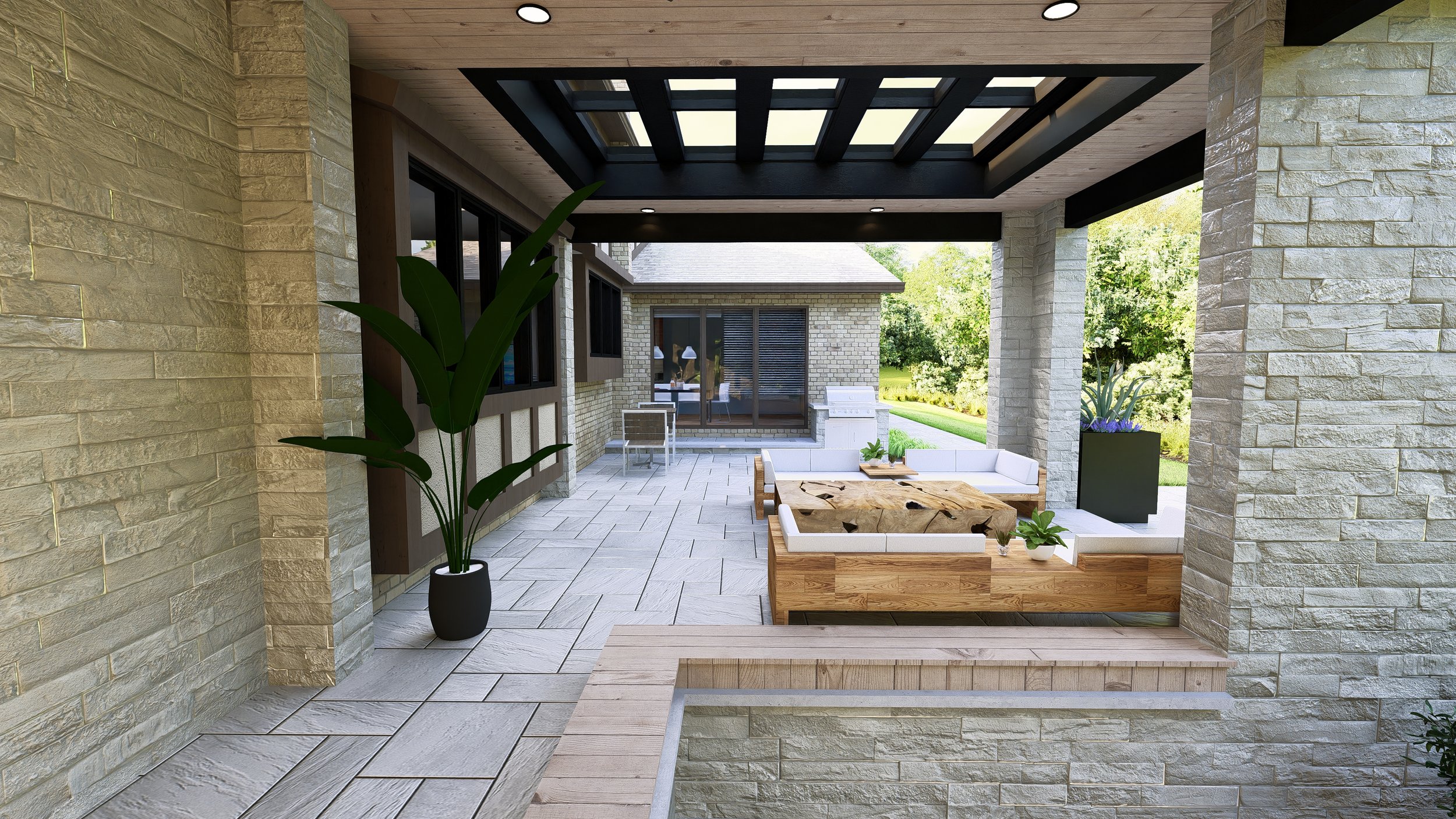
Photorealistic renderings created in Lumion
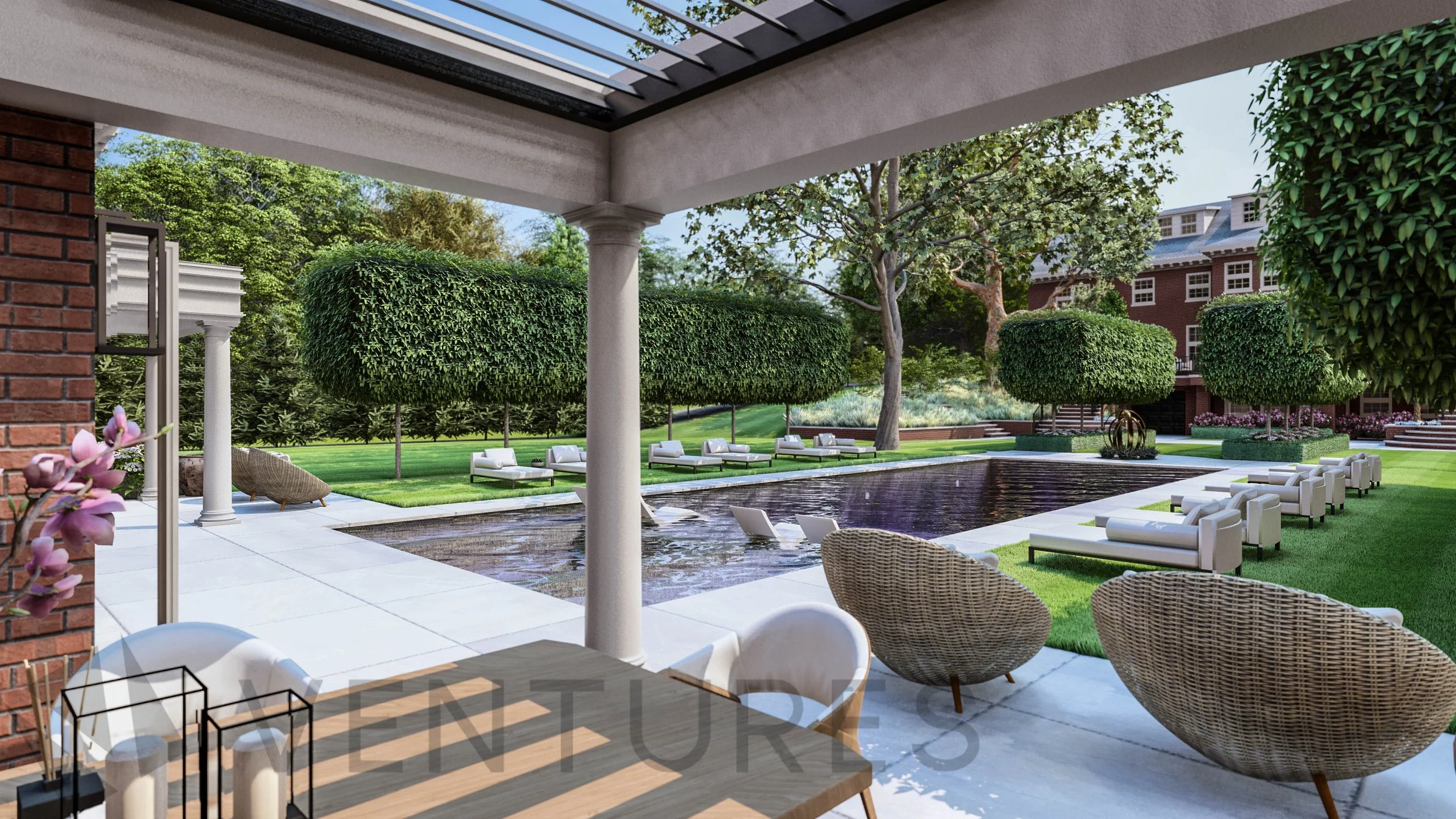
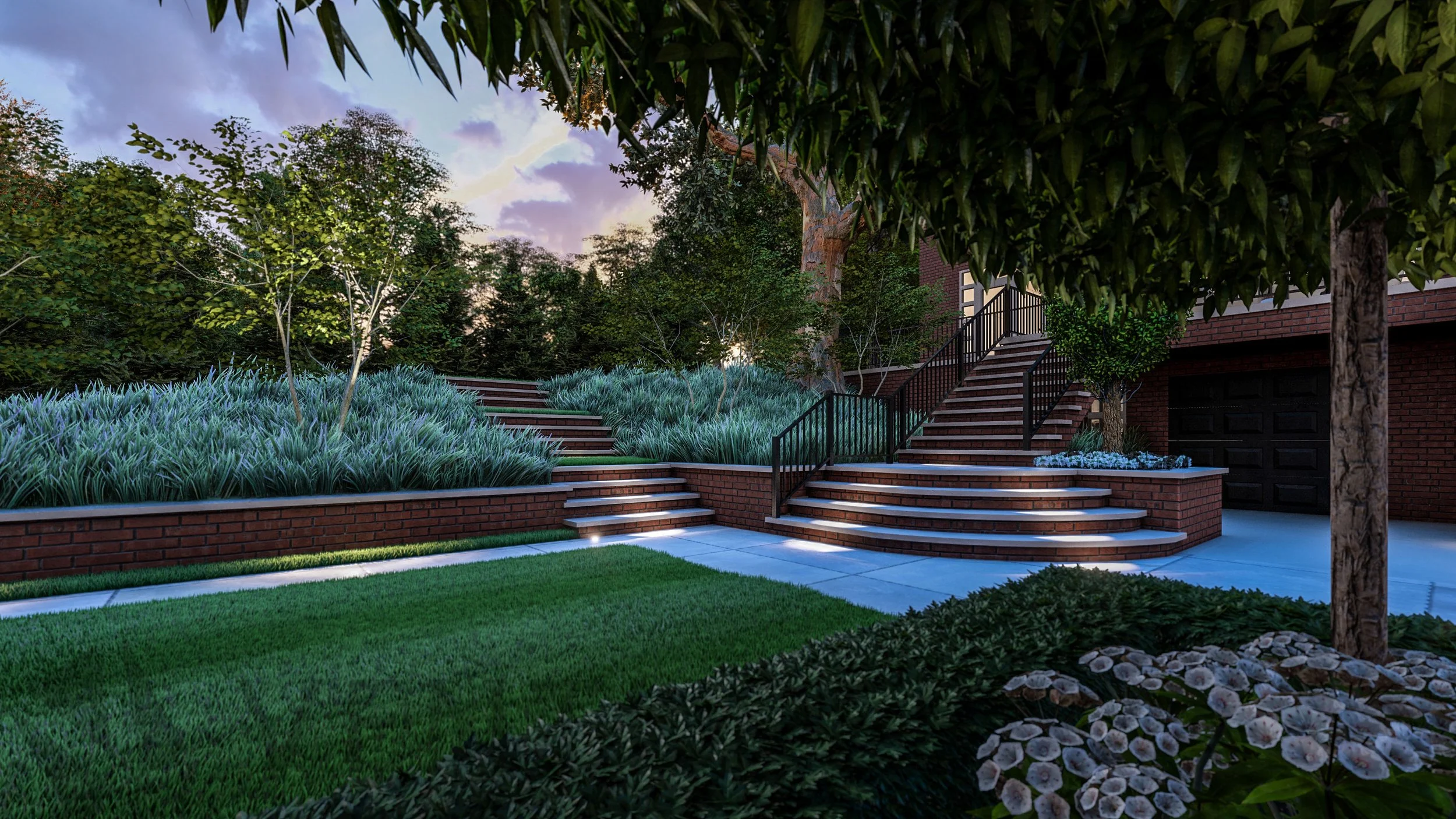
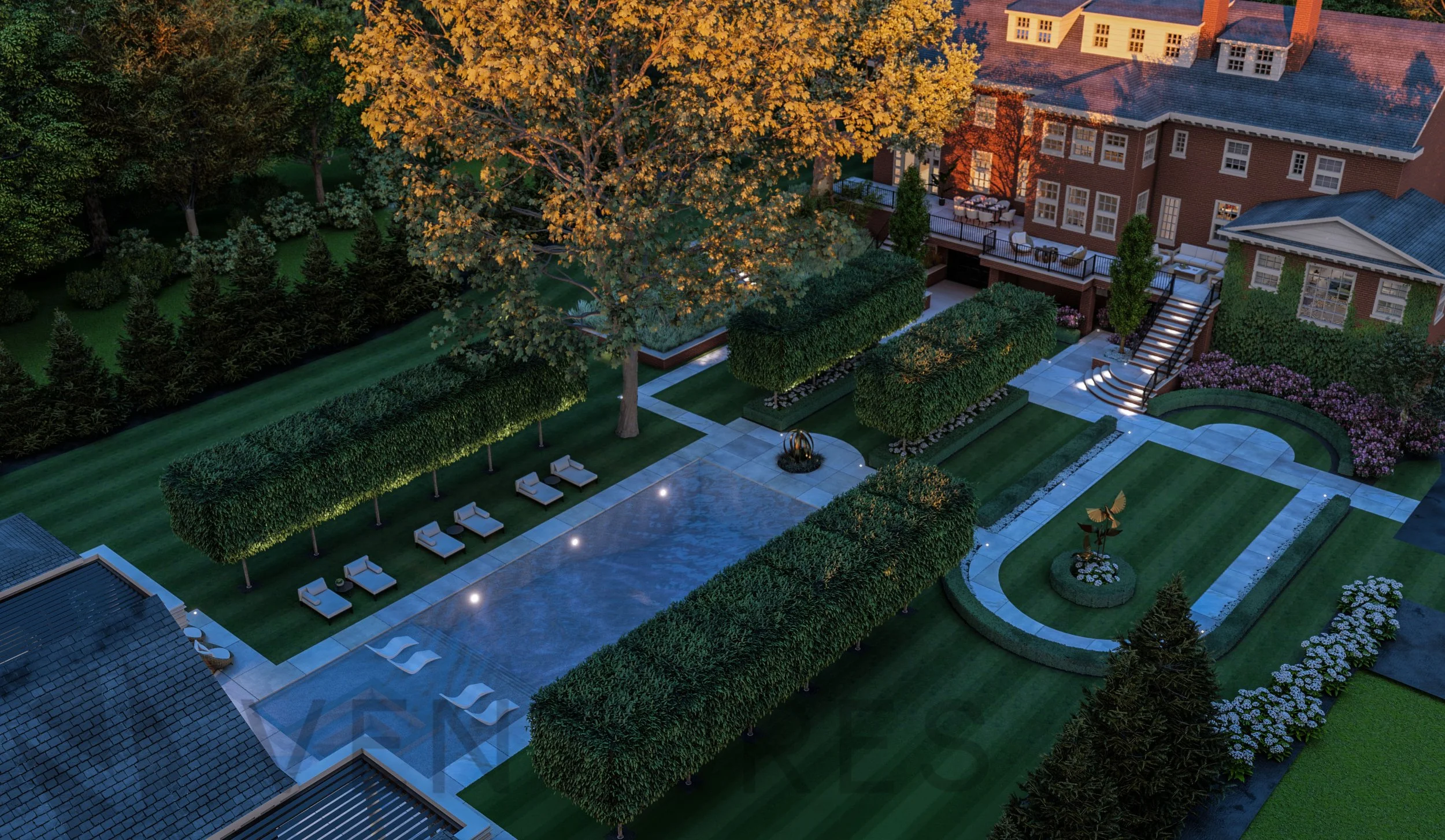
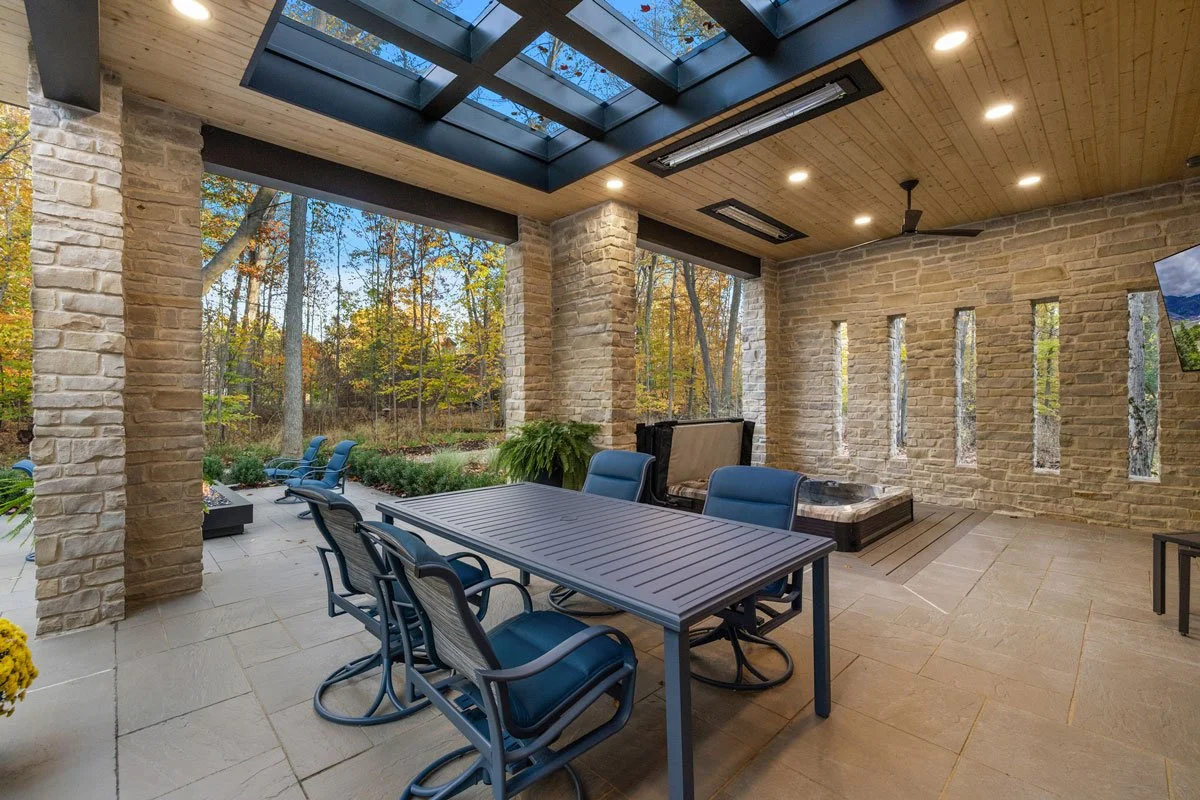
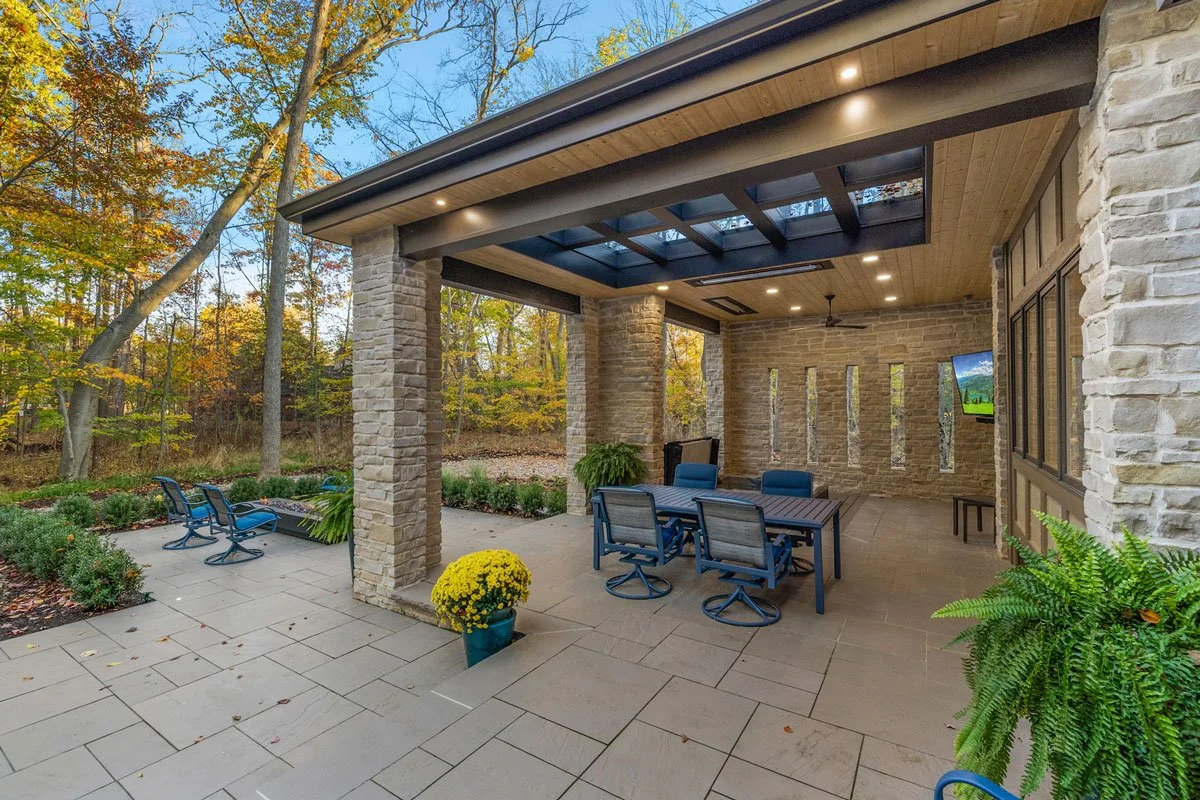
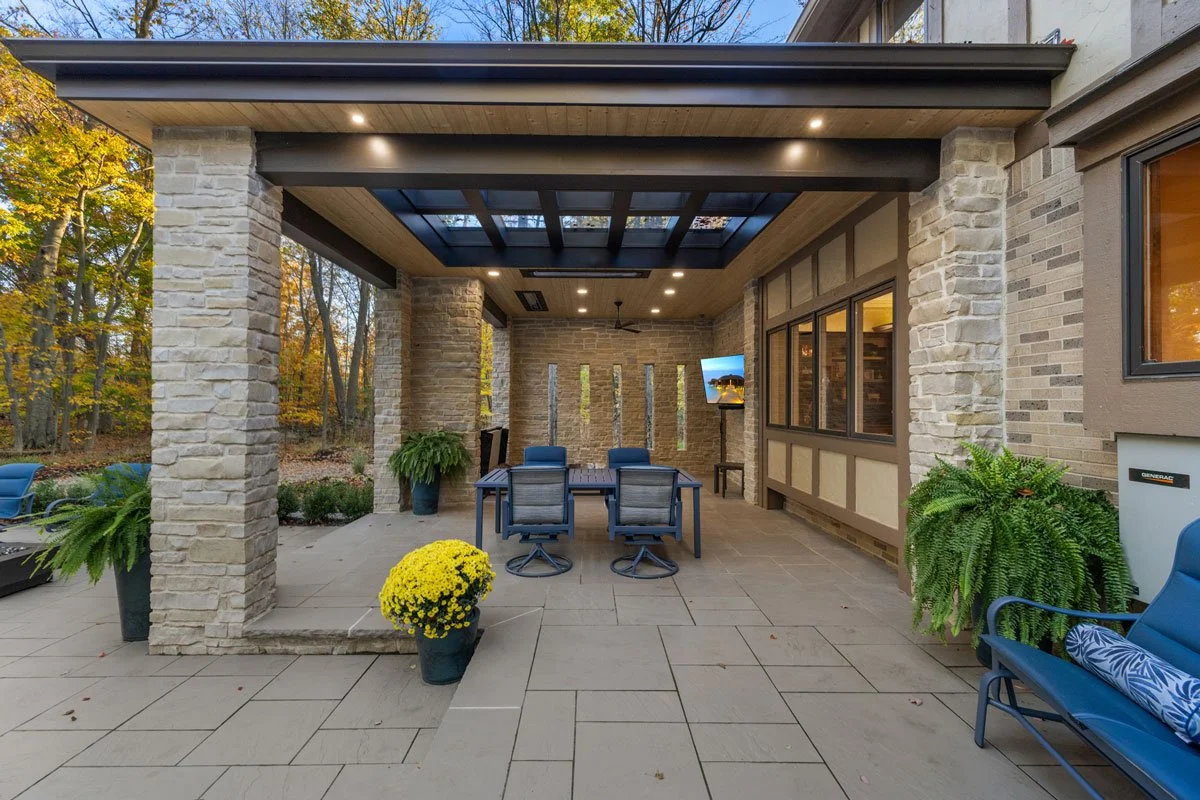
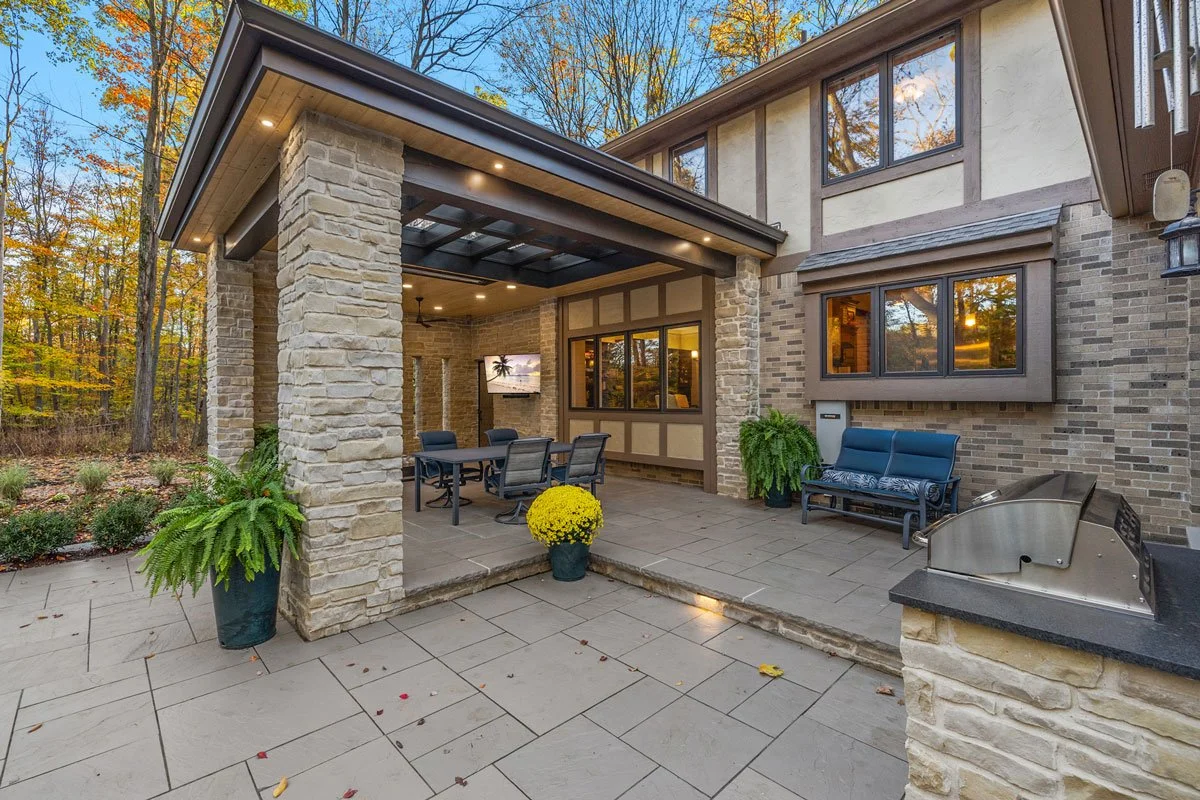
These renderings are not imagined scenes. They are visual representations of buildable designs, created from real measurements, real materials, and real site conditions.
They allow clients to:
Fully understand the scale and flow of a space
Confidently make material and layout decisions
Reduce surprises during construction
Move forward knowing exactly what’s being built
This level of clarity is what a professional design fee actually delivers.
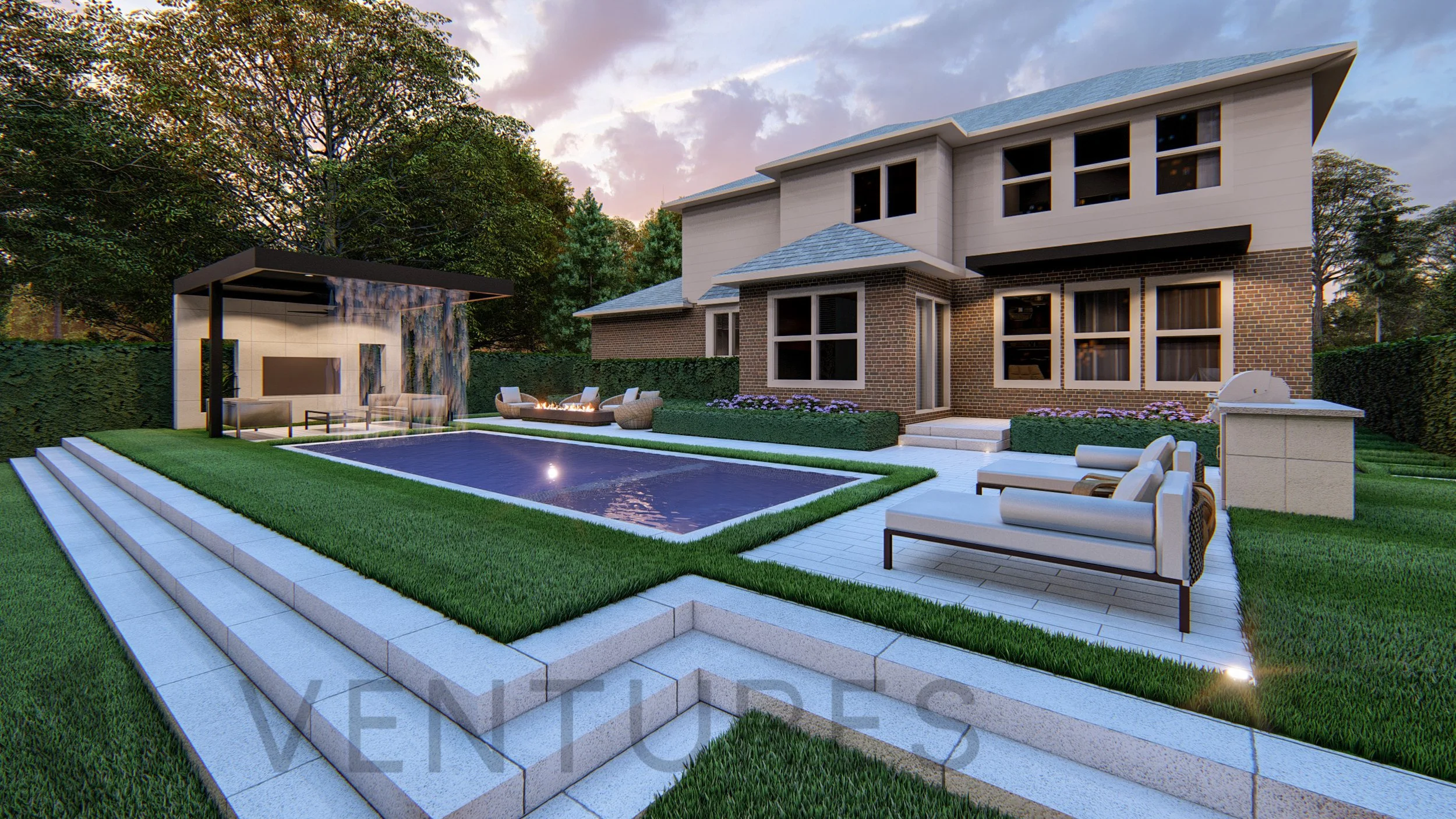
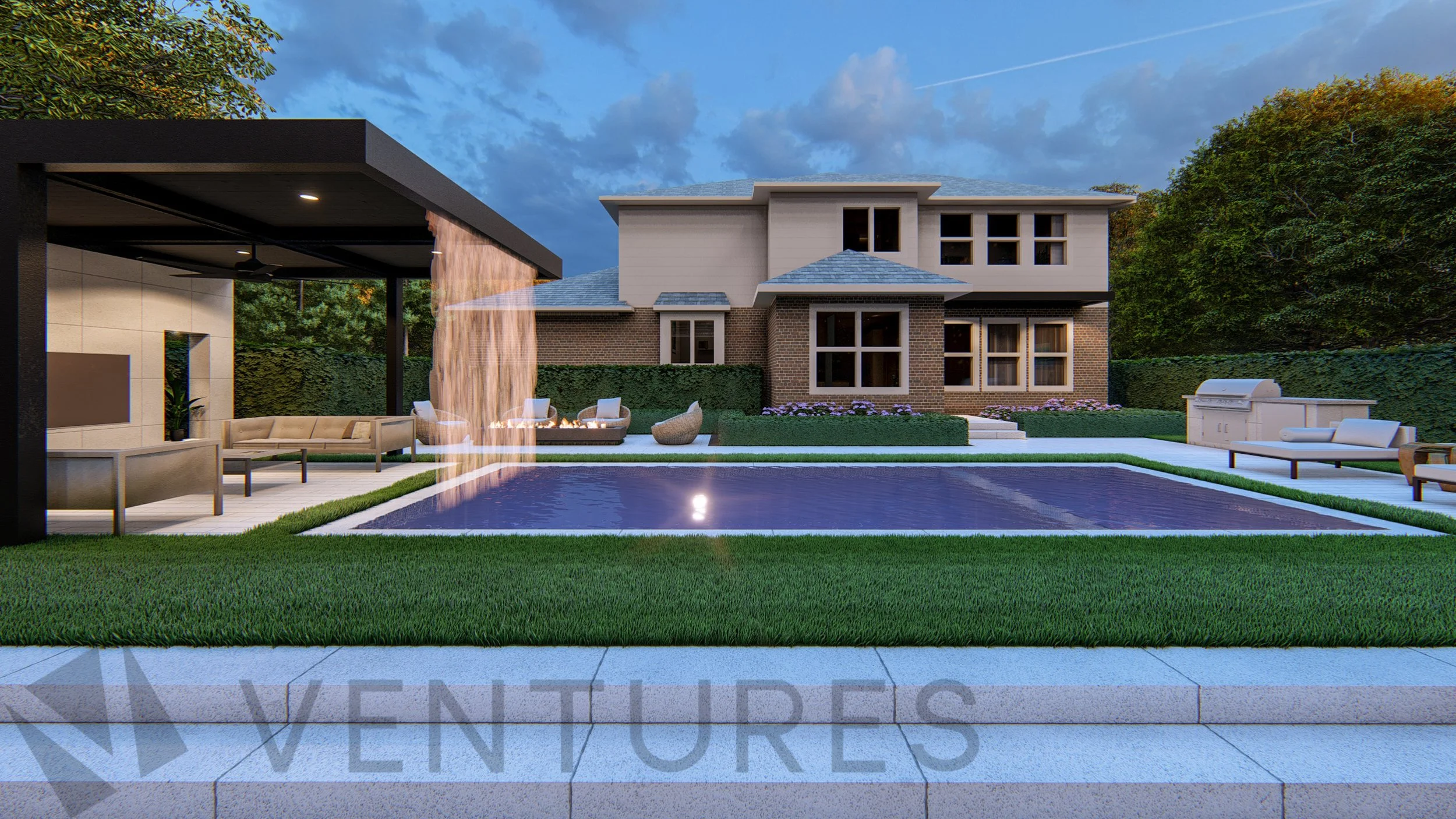
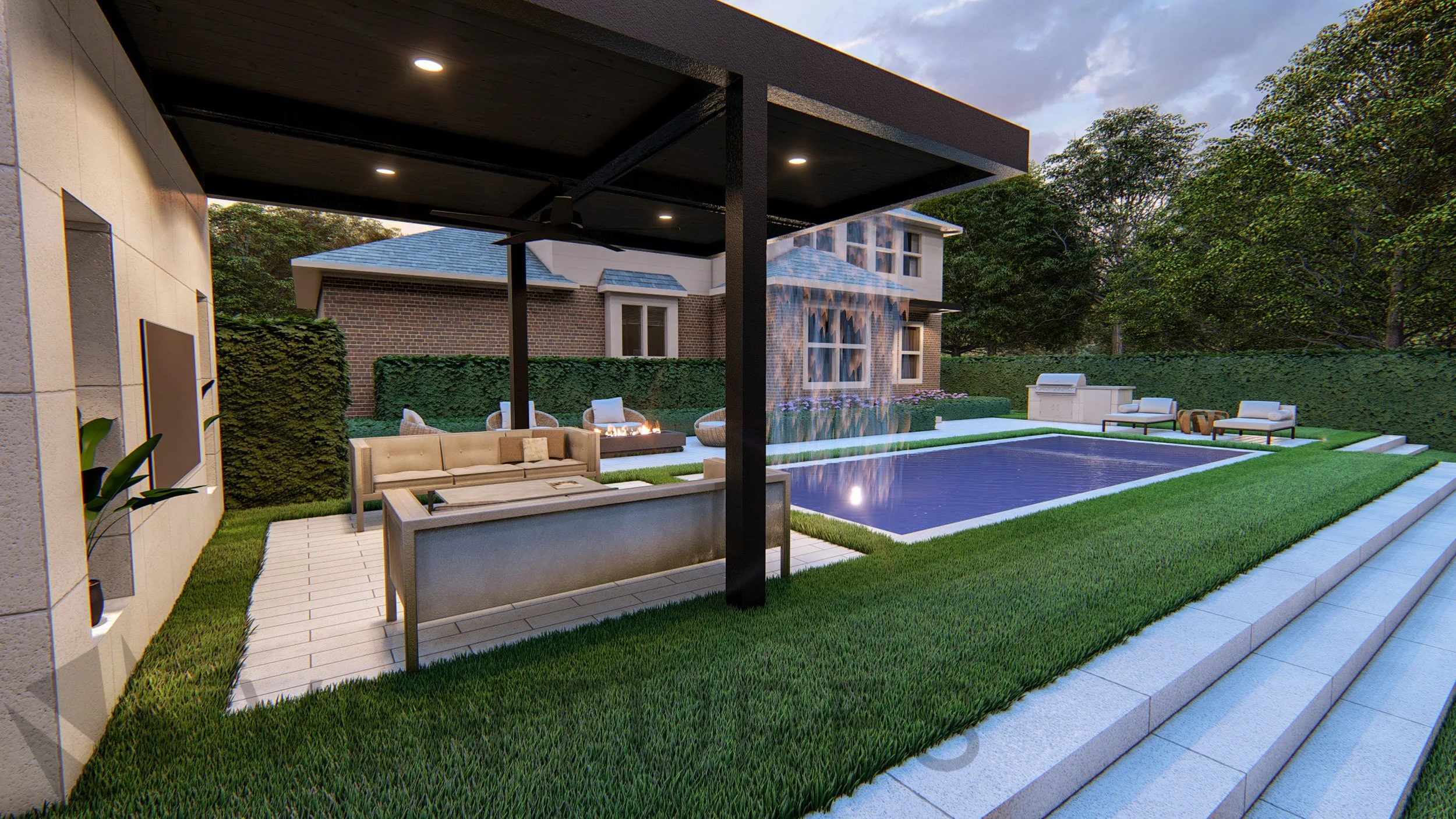
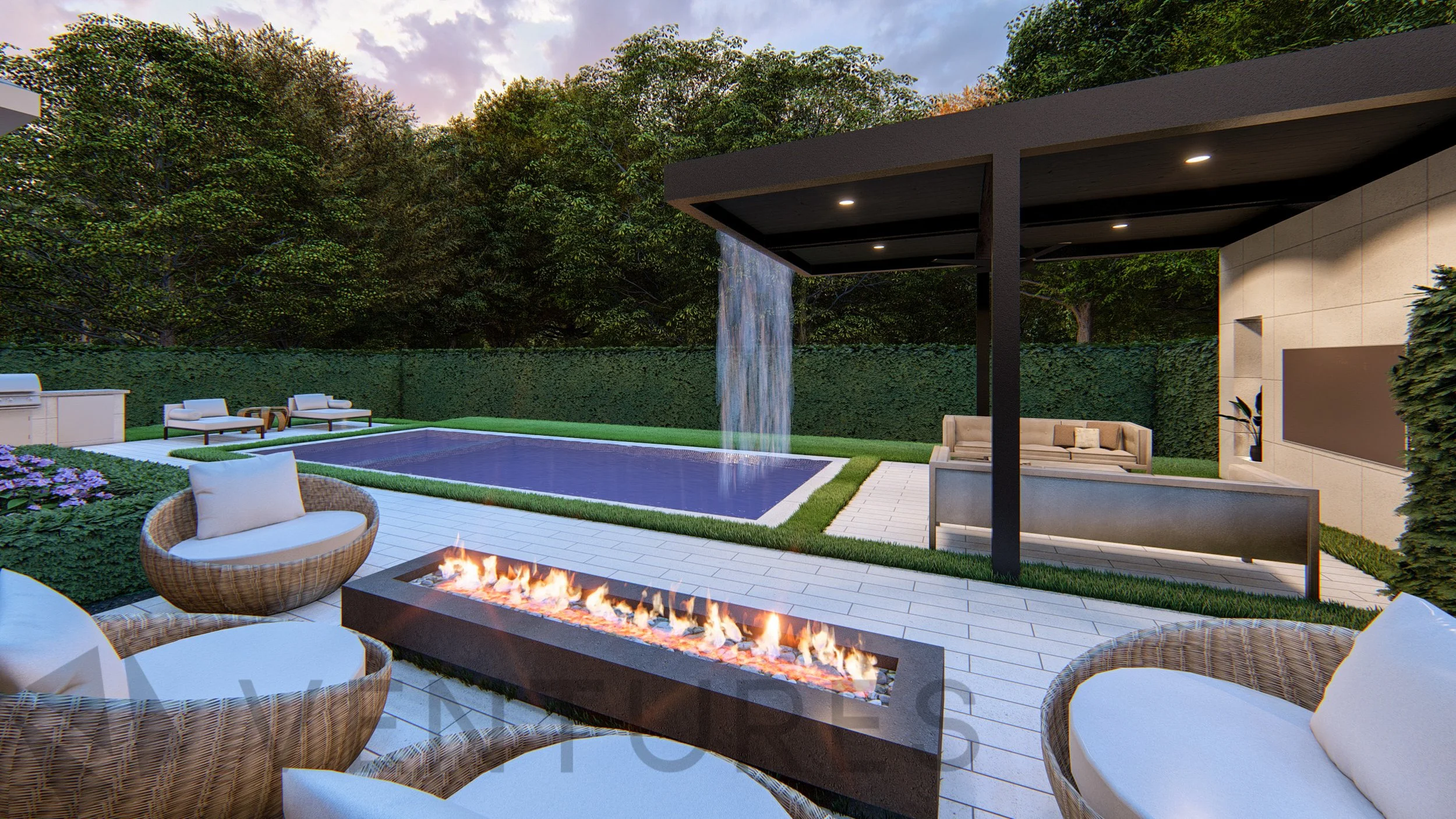
Why Design Fees Exist, and Why They’re Worth It
A common misconception is that 3D renderings are “just images.”
In reality, they are the final layer of a much deeper design process, one that involves analysis, expertise, coordination, and problem-solving long before anything is visualized.
Your design fee covers:
Custom site-specific planning
Code-compliant layouts
Constructible details
Designer time, education, and experience
Coordination between design and build teams
A roadmap that protects your investment
It’s not about drawing something pretty. It’s about designing something that will last, function, and feel right for decades.
Technology + Expertise = Exceptional Design
AI is a powerful tool. So is professional design.
At Ventures, we believe the best results happen when technology supports expertise, not when it replaces it.
AI can spark ideas. Designers turn those ideas into reality.
And when you’re investing in your home, whether indoors or out, that difference matters.